20-Year Industry Veteran’s Insight: Why "High-End Replica Vintage Archives" Are Bound to Explode
Discover why high-end replica vintage archives are poised for a massive breakthrough. From the high barriers of the Japanese vintage market and modern design fatigue to the rare scarcity of archival pieces, a 20-year industry veteran shares deep insights into the shifting trends of luxury curation.
It’s been a minute since my last update—I’ve been fully immersed in managing our domestic operations here.
I’ve recently made a major pivot in my day-to-day work. Previously, my main focus was sourcing directly from top-tier factories like 187, God and other elite producers for individual dropshipping clients. Because that core operational machine is now running smoothly, I’ve officially handed off daily customer service and fulfillment to my dedicated support team. That frees up 100% of my bandwidth to pour into my second major initiative: sourcing, curating, and selling high-end replica vintage Archives worldwide.
As I touched on in a previous article, the "High-End Replica Vintage Archive" niche is on the absolute verge of a massive breakthrough. Having navigated the inner workings of this industry for nearly two decades, backed by years of tracking market trends, today I’m breaking down exactly why I’m so confident this category is about to take off.
1. The Japanese Vintage Craze and Its High Barrier to Entry
There’s no denying that luxury vintage Archives have taken the global fashion scene by storm. Japan was the undisputed birthplace of the pre-owned luxury market, and it remains the ultimate destination for boutique owners worldwide seeking prime inventory.
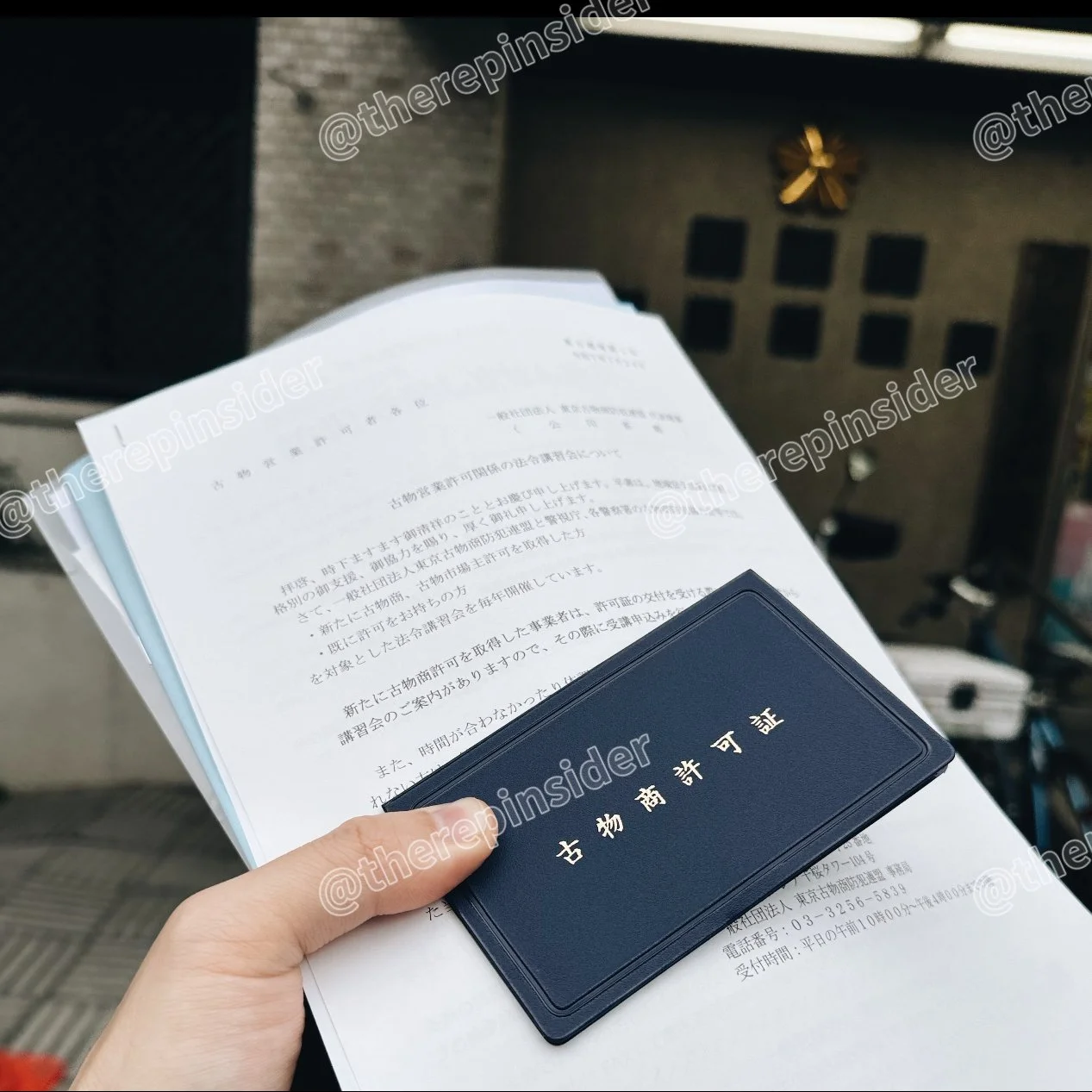
In this ecosystem, the top-tier players secure an official Japanese Kobutsu-sho (second-hand dealer license), granting them direct access to elite private luxury auctions. However, the barrier to acquiring this license is no easy task, as it strictly requires you to hold Japanese nationality or permanent residency. The secondary option is renting entry clearance through licensed agencies, where dedicated representatives escort buyers into the bidding floors. The most accessible option—with the lowest threshold—is shopping at large-scale vintage warehouses (the exact warehouse haul videos you often see founders posting on Instagram).
2. Modern Design Fatigue vs. The Unsurpassable Golden Eras
Now, let’s talk about current season releases from major fashion houses. Given my daily routine of processing thousands of new photos and inventory updates, my aesthetic palate has hit severe fatigue. Most contemporary designs feel homogenous, offering little to no real innovation.
Conversely, whenever I source high-end vintage Archives for clients, my eyes light up.
Take Dior, for instance. Its golden era undoubtedly belongs to the reign of fashion maestro John Galliano. Every single piece he created felt like a stroke of genius, elevating Dior to its absolute peak. In truth, every iconic fashion house has its definitive era and visionary creative director: Phoebe Philo’s Céline, Marc Jacobs’ Louis Vuitton… More importantly, these masterpieces are simply unsurpassable. Look at how major luxury brands today are frantically digging through their own archives to reissue past hits—like the recent viral resurgence of Chloé’s Paddington, which is essentially a revival of an old classic.
3. What Is Real, and What Is Fake? The Counter-Intuitive Scarcity of Replica Archives
This brings us to a fascinating philosophical question: What defines "real," and what defines "fake"?
Why are high-end replica vintage pieces set to explode right now? The core reason lies in their market dynamics—their existing market supply is insanely scarce, sometimes even rarer than the authentic ones.
Allow me to elaborate. Authentic vintage pieces of these rare archival designs are already hard to come by, requiring substantial time and effort to source; they are by no means mass commodities. Moving into 2026, consumer psychology has fundamentally shifted. People reject cookie-cutter style, actively seeking out the quirky, the niche, and the unconventional—which explains the massive surge in DIY and bespoke customization.
In this context, older vintage replicas are practically impossible to find on the market today. They offer a fraction of the cost of authentic vintage, often feature early hand-crafted details, and carry a virtually zero chance of "bumping into the same bag" on the street. In fact, most young store associates at retail boutiques haven't even seen these styles before, as they weren't even in the industry when these bags were originally released. Under these conditions, they function seamlessly as authentic pieces in daily wear.
To put it tongue-in-cheek: “If a porcelain piece was crafted in the Tang Dynasty, and someone in the Song Dynasty created a high-level fake, when we discover that Song Dynasty copy today, isn't it still a priceless treasure in its own right?” The philosophical logic here is worth pondering (chuckles).
That’s all for today’s entry—I have to run and get these orders shipped out.
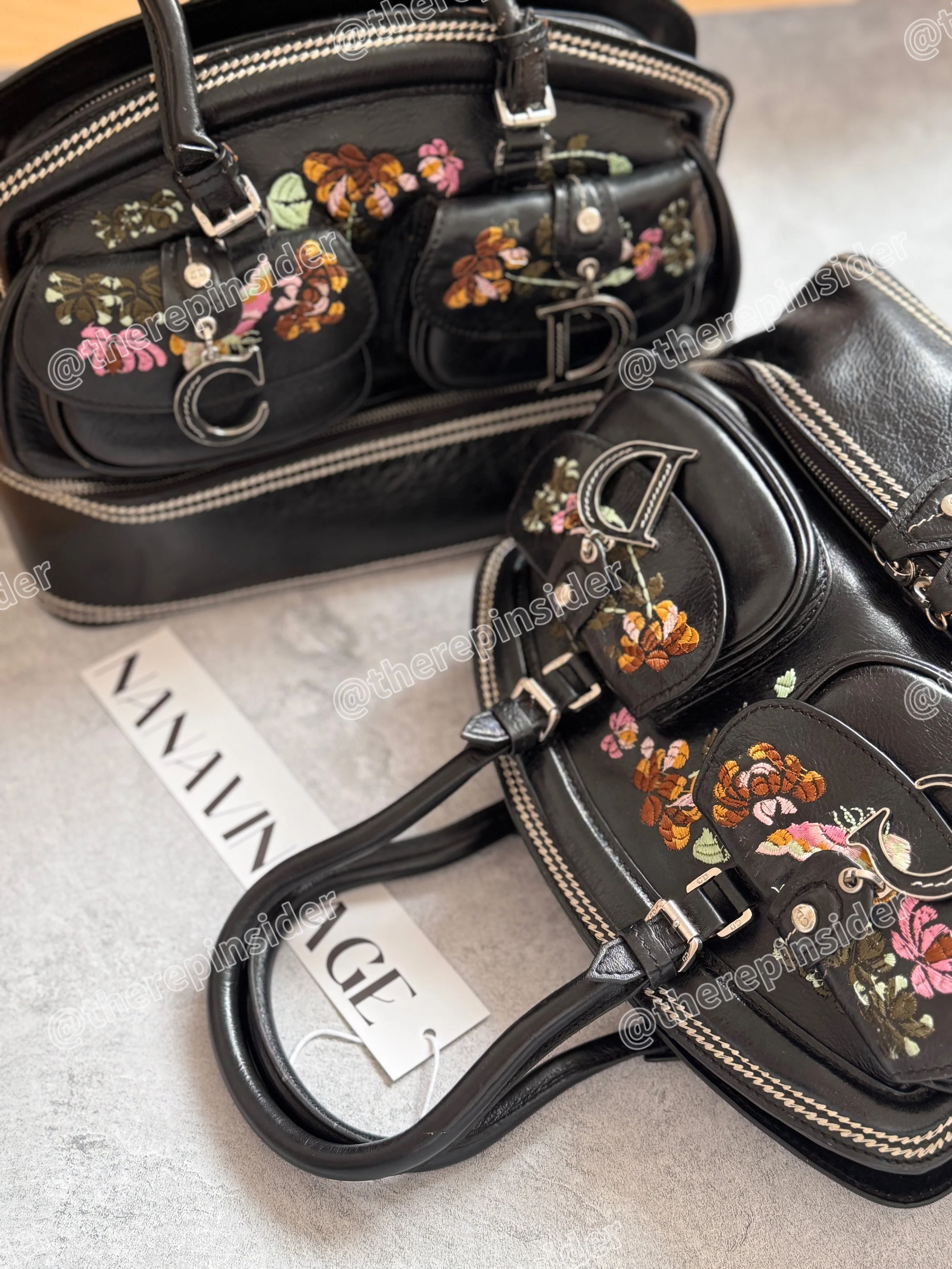
Below is a live shot of a rare Dior Vintage Archive replica currently in stock. I only have 2 pieces left worldwide. I’ll be sharing more styles and updates on our WeChat.
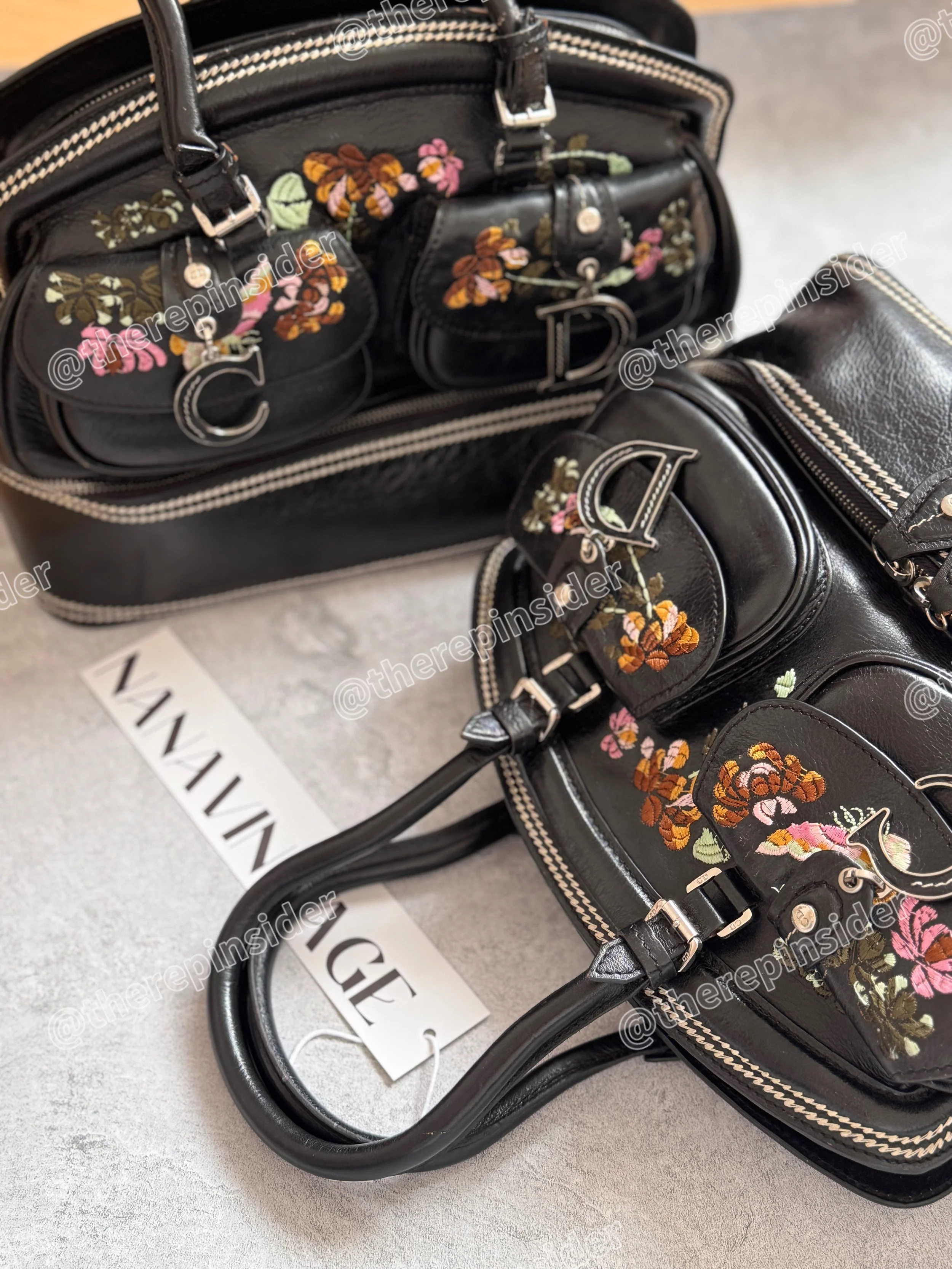
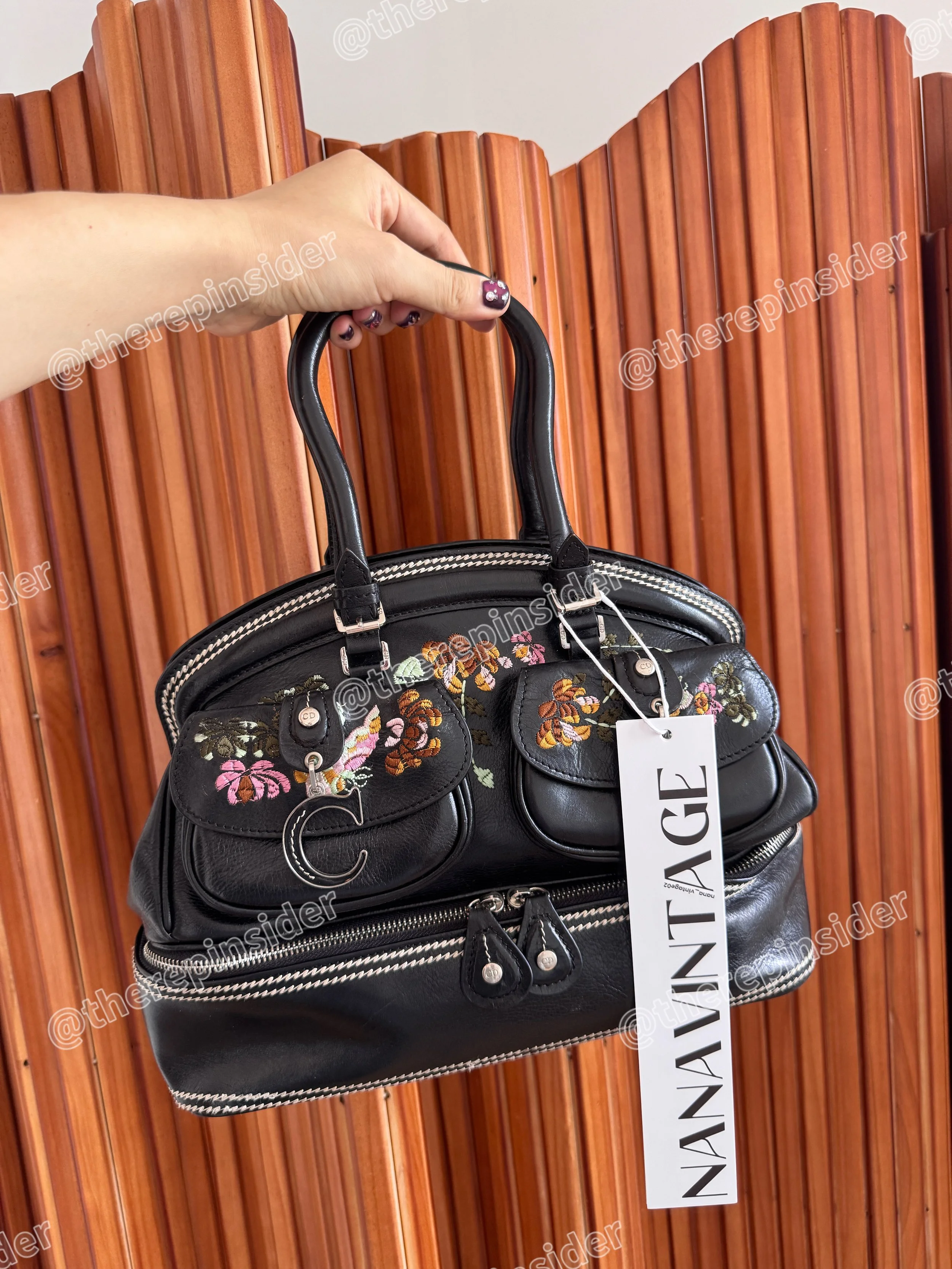
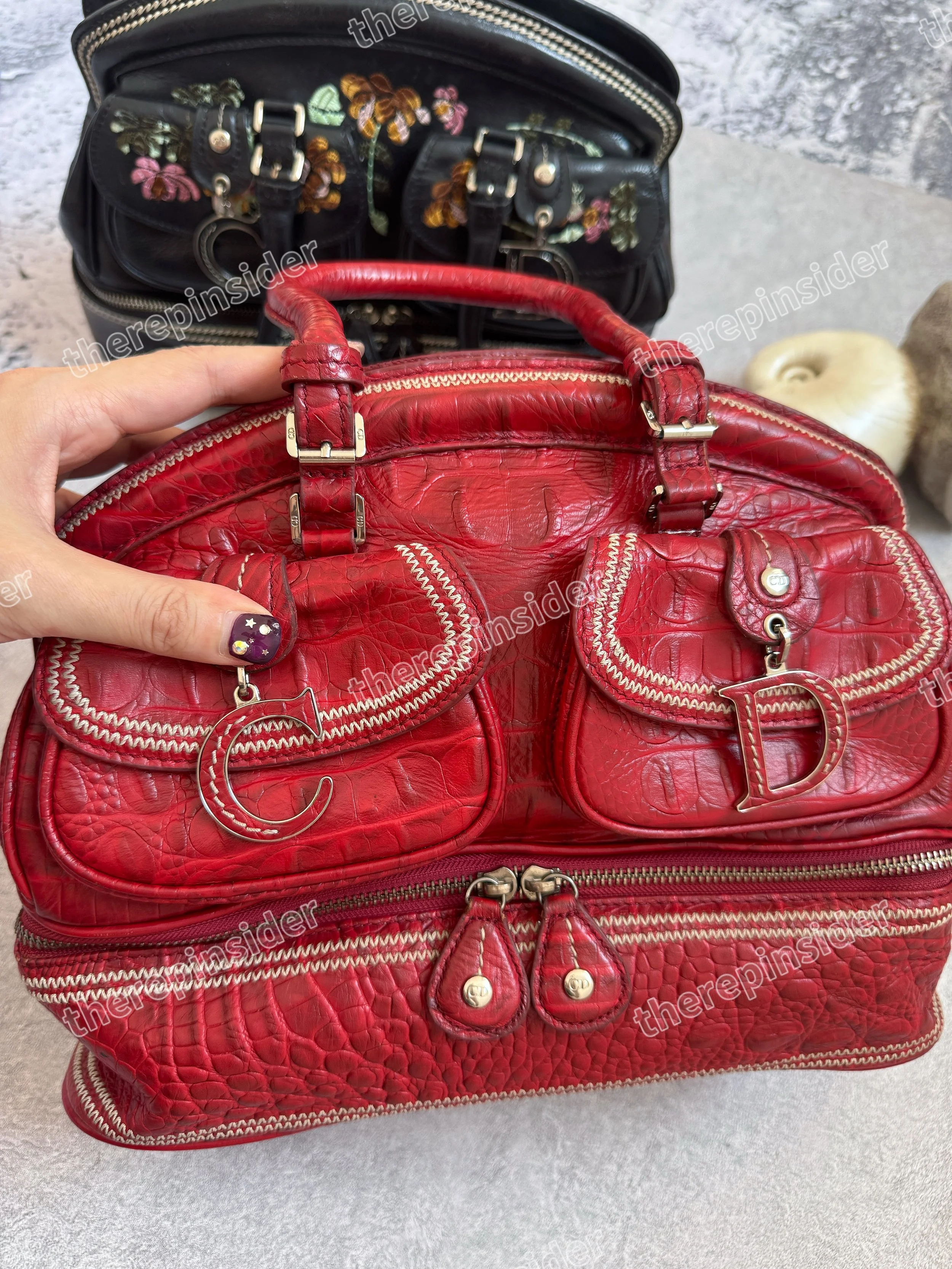
Keep in mind that vintage items like these cannot be mass-produced or supplied in bulk. However, if you have a specific request, feel free to contact us to discuss. If you are interested in purchasing or discussing sourcing & wholesale collaborations, also feel free to reach out via:
WeChat: nana_vintage02
Email: therepinsider@proton.me
Thanks for reading, and wish you all the best!
Anti-Piracy Enforcement: This deep-dive memoir is originally engineered and copyrighted by The Rep Insider. If this article appears on any other URL, it is a stolen duplication. We actively issue automated DMCA server takedowns to protect our intellectual property.